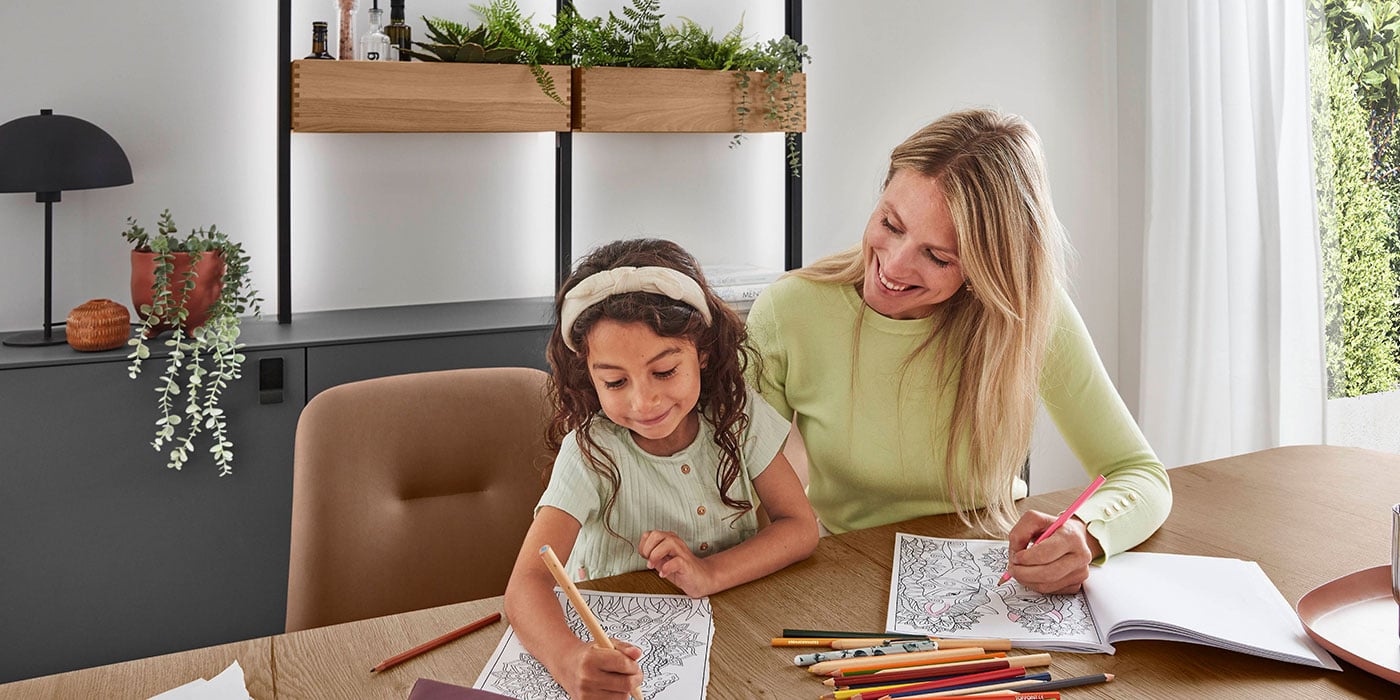
When most people begin planning a new kitchen, the focus naturally lands on layout. Where will the sink go? Should we have an island? Can we fit a tall unit here?
And while these are all important decisions, they only tell part of the story. A kitchen isn’t just a collection of cabinets arranged neatly on a plan. It’s a space that needs to work around real life – the routines, habits and small, everyday moments that happen without much thought.
The most successful kitchens aren’t just well laid out. They are designed around the people who use them.
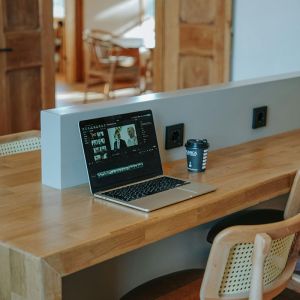
Start With How You Actually Live
Before thinking about finishes or styles, it’s worth pausing and looking at how your kitchen really functions now.
Not the ideal version. Not the one you see in magazines. The reality.
Where do people tend to gather? Are you cooking while others sit nearby, or are you tucked away facing a wall? Do mornings feel rushed and cluttered? Do worktops fill up quickly because there’s nowhere else for things to go?
These observations are often the most revealing. They highlight what’s working, but more importantly, what isn’t.
A well-designed kitchen begins with understanding these patterns. Once you recognise how the space is used, the layout starts to make more sense.
Designing for the Morning Rush
Mornings have a rhythm of their own. Even in quieter households, there’s often a sense of urgency – coffee brewing, breakfast being made, bags being packed, people moving in different directions at once.
If a kitchen hasn’t been planned with this in mind, it can quickly feel cramped or chaotic.
Simple design decisions can ease that pressure. Grouping everyday items together, ensuring there’s clear prep space, and allowing for easy movement between key areas all make a noticeable difference.
For example:
- A small breakfast station keeps everything in one place
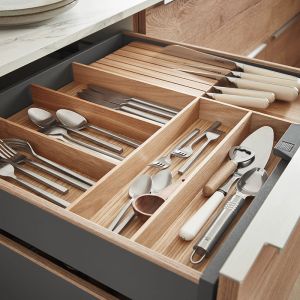
- Drawers that open easily and hold daily essentials reduce searching
- A clear route between fridge, sink and worktop avoids unnecessary crossing
It’s not about adding more space. It’s about using the space better.
Keeping You Connected While You Cook
One of the most common frustrations in kitchen design is feeling disconnected. Cooking becomes an isolated task, while conversations and activity happen elsewhere.
Even a small shift in layout can change that entirely.
Turning a hob or sink to face into the room, introducing an island, or opening sightlines into adjacent spaces helps keep you part of what’s going on. It allows for conversation, interaction and a much more relaxed way of using the kitchen.
It’s often these changes – the ones that aren’t immediately obvious on a plan – that have the biggest impact on how a space feels.

Creating Space to Gather, Naturally
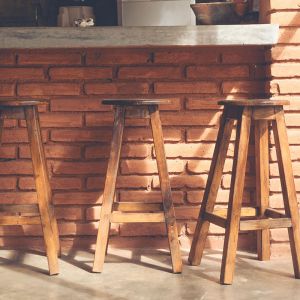
Kitchens have become social spaces by default. People tend to drift in, lean against worktops, perch on stools or simply stand nearby while something is cooking.
Designing for this doesn’t mean dedicating half the room to seating. It’s more about acknowledging that people will gather, and giving them somewhere to do so comfortably.
A slight overhang on an island, a couple of well-placed stools, or even just a clear edge to lean against can be enough. These small gestures make the kitchen feel welcoming without interrupting its function.
Making Room for Helping Hands
Whether it’s children baking, friends offering to help, or family gathering during a busy evening, kitchens are rarely used by just one person.
Without the right layout, though, shared use can feel more like crowding than collaboration.
Allowing for multiple prep areas, wider walkways and accessible storage makes a big difference. When people can move freely and find what they need without asking, the space feels more open and inclusive.
A kitchen that accommodates more than one pair of hands always feels more relaxed.

Storage That Reflects Real Habits
Storage is often where kitchens succeed or fail, but it’s not just about how much you have – it’s about where and how it’s used.
If items constantly end up on the worktop, it’s usually a sign that storage isn’t aligned with daily habits.
Instead of relying on general cupboards, it helps to think more specifically:
- Drawers near the hob for cooking utensils and pans
- Storage close to the dishwasher for easy unloading
- A dedicated space for bins and recycling
- Larders that keep food organised and visible
When everything is positioned logically, putting things away becomes effortless. And when that happens, the kitchen naturally stays tidier.
The In-Between Moments
It’s easy to focus on cooking and dining, but much of kitchen life happens in between.
It’s where the post gets dropped, where phones are charged, where someone stops for a quick cup of tea, or where conversations happen at the end of the day.
These moments are rarely planned for, yet they shape how the space is used.
Introducing small, thoughtful details can make all the difference. A discreet charging point, a clear surface near the entrance, or even a slightly extended worktop can support these everyday interactions without adding clutter.
It’s about recognising that the kitchen is more than a functional space. It’s a lived-in one.
In Summary
A floor plan is only the beginning. While layout provides structure, it’s the understanding of real life that brings a kitchen to life.
By focusing on routines, habits and the way people move through a space, you create something far more meaningful than a well-arranged room. You create a kitchen that feels intuitive, comfortable and entirely personal.
Because ultimately, the best kitchens aren’t just designed to look good. They are designed to live well.