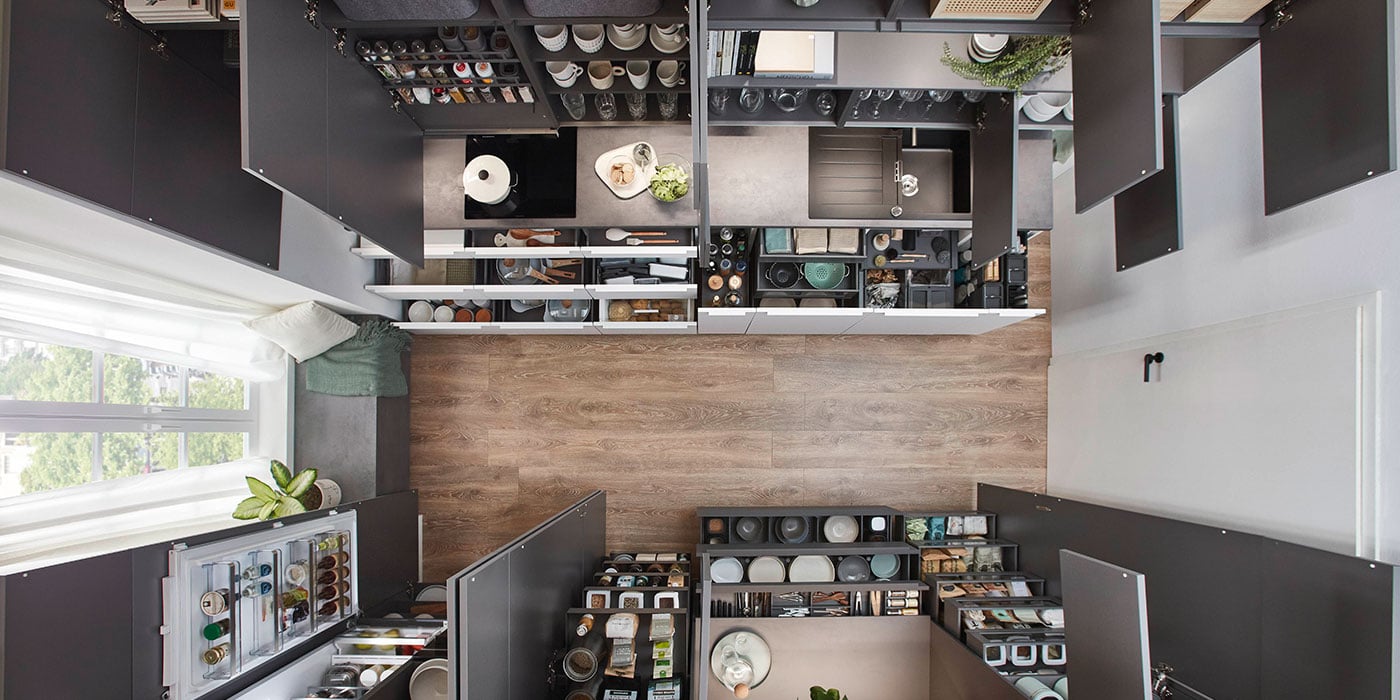
For many households, the kitchen is the busiest room in the home. It’s where meals are prepared, where families gather, and often where the clutter of everyday life tends to accumulate. Adding a dedicated utility room can ease the pressure, creating a hardworking space that quietly takes care of the laundry, storage, and household essentials.
Even if space is tight, a carefully planned utility can transform daily routines. The key is to balance practicality with design – ensuring the room is as efficient as it is pleasant to spend time in. Below, we explore some of the main considerations when planning a utility room, along with design ideas that help the space work harder.
Do You Need a Sink?
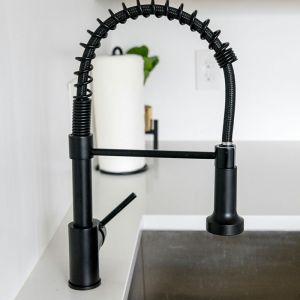
One of the first questions to ask is whether to include a sink in your utility. While not essential, it can be surprisingly useful. If you have pets, a sink with a pull-out hose tap makes light work of cleaning muddy paws, rinsing food bowls or soaking grubby toys without involving the kitchen sink. It can also be handy for gardeners to wash off tools or boots, or for households where handwashing delicate fabrics is a regular task.
If space is limited, a compact sink and slim tap might be all that’s needed. For those with a little more room, a deep ceramic or stainless steel sink can handle bulkier jobs like soaking trays or rinsing large pans, freeing up the kitchen entirely.
Choosing and Positioning Appliances
Appliances are usually at the heart of the utility. Most people will want a washing machine and tumble dryer, but the way you arrange them makes a big difference. Stacking can be an efficient solution in smaller rooms, with the dryer above the washing machine.
If you do go for this configuration, consider adding a pull-out shelf or drawer beneath the dryer. This provides a practical ledge for holding laundry baskets as you move clothes from one machine to the other – reducing bending and juggling. Side-by-side appliances, meanwhile, allow for a longer run of countertop above, giving you space for folding and sorting.
Don’t forget ventilation and plumbing requirements, as these may influence where your machines can be placed.
Storage That Works Hard
The best utility rooms are designed around clever storage. Think about the items you want to keep here, and plan accordingly:
- Tall broom cupboards – Ideal for storing ironing boards, mops, vacuum cleaners and other tall items you’d rather not keep in the kitchen.
- Laundry basket drawers – Pull-out drawers designed to hold baskets for separating colours, whites, towels and linens make laundry organisation much simpler.
- Detergent and cleaning product holders – Racks or compartments fixed to the inside of cupboard doors can free up shelf space and keep bottles within easy reach.
- Internal drawers – Slim drawers inside cupboards are perfect for small items such as spare sponges, cloths or batteries.
- Shoe storage – A utility can double as a boot room, keeping outdoor shoes and wellies out of the hallway. Open shelves or cubbyholes make it easy to grab what you need.
- Drinks crate holders – Integrated storage for bottles or soft drink crates ensures you always have a stock on hand without it cluttering the kitchen.
Planning storage to fit your own household needs makes the difference between a utility that feels chaotic and one that makes everyday life run smoothly.
Worktops and Folding Space
If possible, include a section of worktop in your design. This gives you a place to fold and organise laundry before it goes back into bedrooms. Worktops also double as a surface for sorting shopping, arranging flowers, or even setting down muddy kit before cleaning.
Materials matter here. Hardwearing choices such as laminate, composite stone or solid surface worktops are practical and easy to clean. If you prefer a softer, more rustic aesthetic, timber can work too, though it will need more care.
Planning for Pets
For pet owners, the utility often becomes a practical hub. Beyond a sink for washing bowls and paws, you might consider:
- A dedicated cupboard for food and treats.
- Hooks for leads and harnesses.
- A pull-out tray or mat for food bowls, which keeps them tidy and easy to clean.
- A cubby or bed for dogs or cats to curl up in a quieter part of the house.
Designing with pets in mind helps keep the rest of the home cleaner and more organised.

Light and Ventilation
Utility rooms are often tucked away, so natural light may be limited. Bright, practical lighting makes the space more inviting and helps with tasks like stain removal or sorting laundry. Recessed ceiling lights are a neat option, but under-cabinet lighting can also be useful for illuminating worktops.
Good ventilation is just as important. Extractor fans help manage moisture and prevent condensation – especially if you use a tumble dryer regularly. Where possible, a window you can open makes the space feel fresher too.
Materials That Last
Because the utility room is such a hardworking environment, it pays to use durable finishes. Floors should be easy to clean and able to cope with wet shoes or occasional spills – porcelain tiles, vinyl, or sealed natural stone are all sensible options. Cabinet doors in melamine or laminate are easy to wipe down, while worktops in quartz, solid surface or laminate will stand up to years of use.
If your utility also serves as a boot room, think about adding wall panelling or wipeable paint finishes that can handle scuffs.
Making It Feel Part of the Home
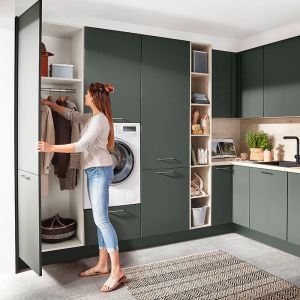
A utility room doesn’t have to be purely functional. By echoing the style of your kitchen or using similar finishes, you can make it feel like a natural extension of the home. Matching cabinet fronts, flooring or worktops create a sense of continuity.
Simple touches can make the space more pleasant: open shelves with attractive jars for laundry powders, woven baskets for storage, or a small plant to bring life into the room. Even though the space is practical, it’s worth considering how it feels.
Final Thoughts
Designing a utility room is about more than fitting in a washing machine and some storage. It’s about creating a space that supports daily life, streamlines chores, and makes the rest of the house feel calmer and more organised. Whether it’s a compact corner tucked under the stairs or a generous room with space for pets, laundry and storage, careful planning can make the utility one of the most valuable rooms in the home.